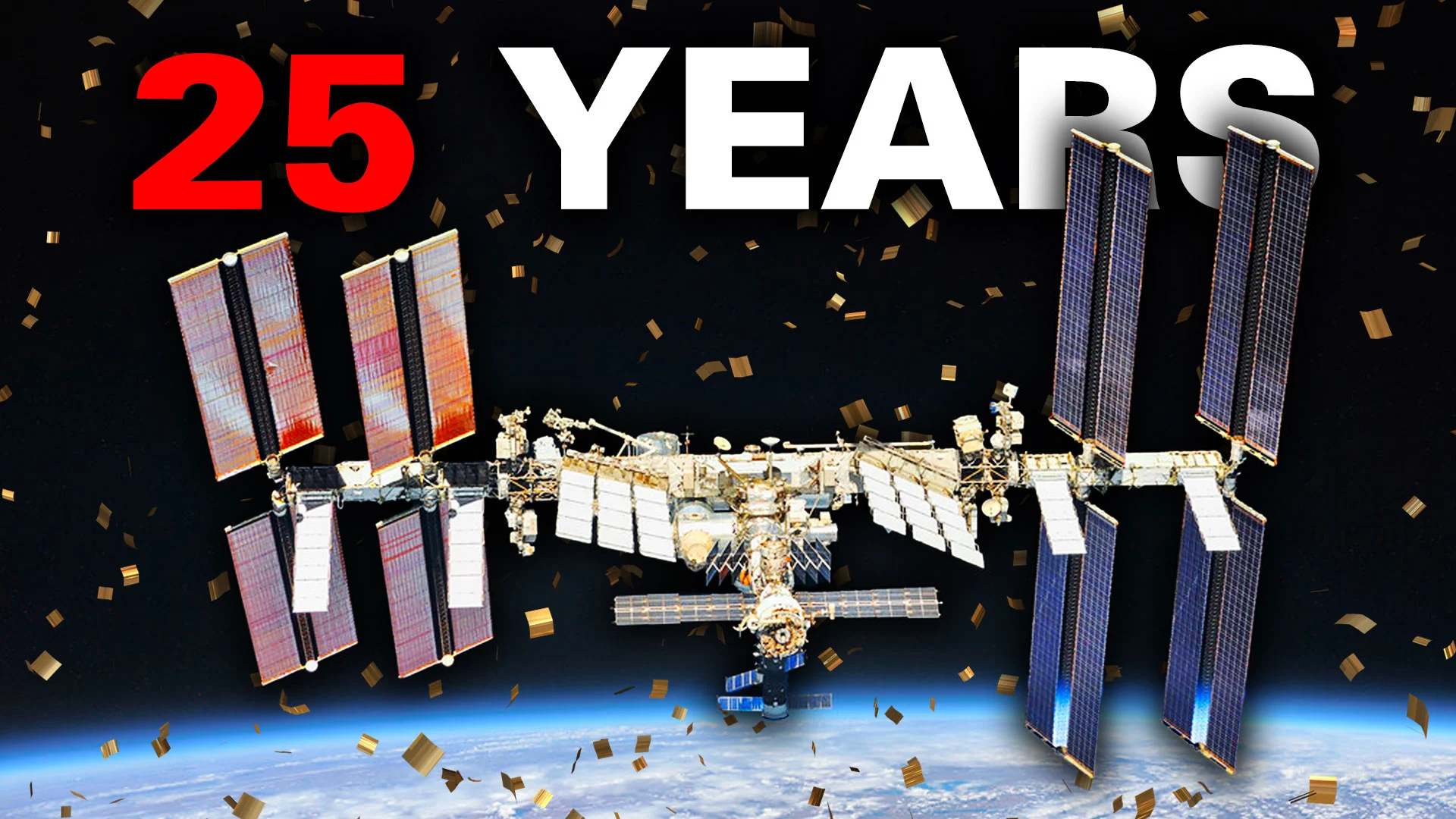
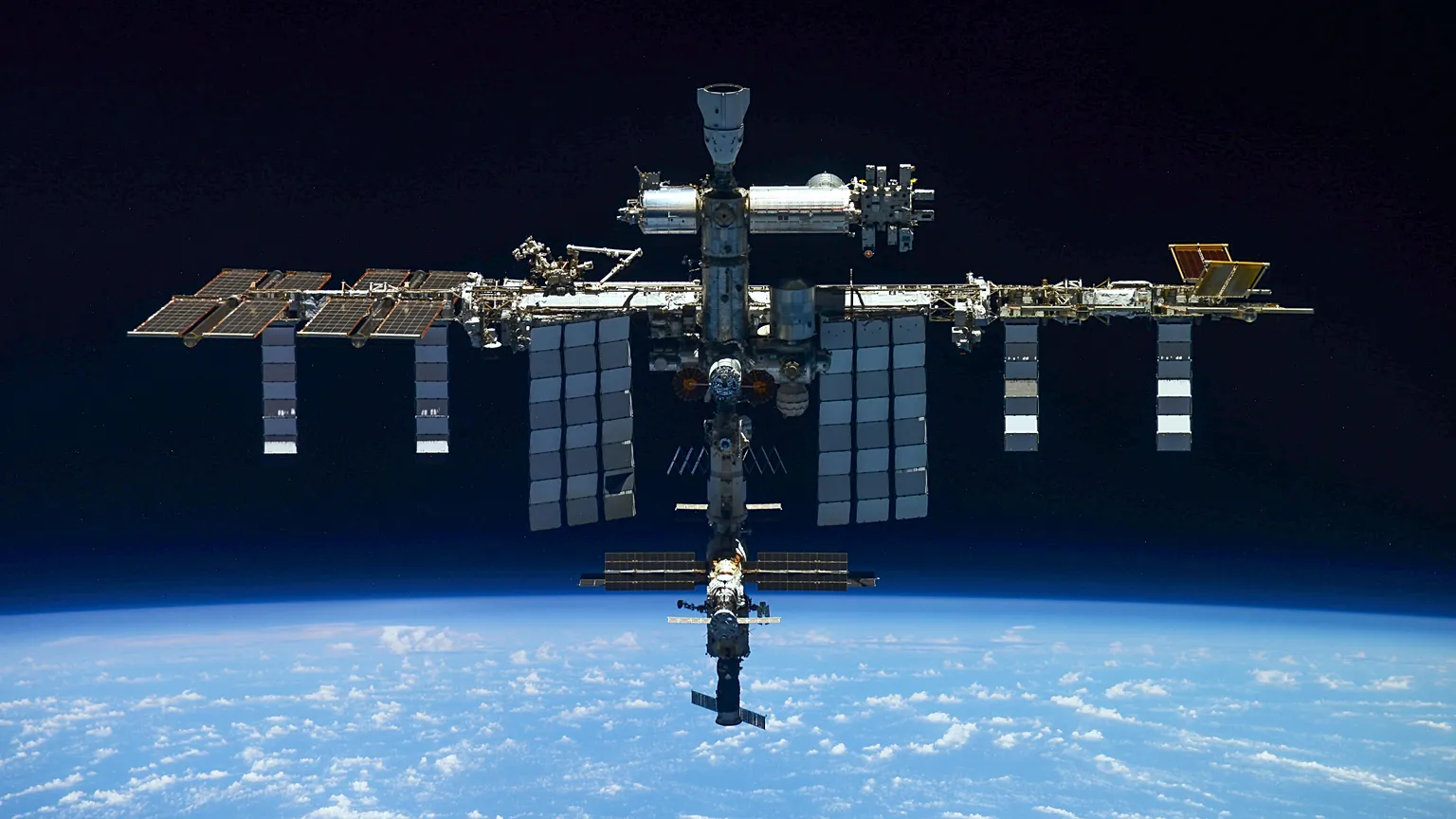
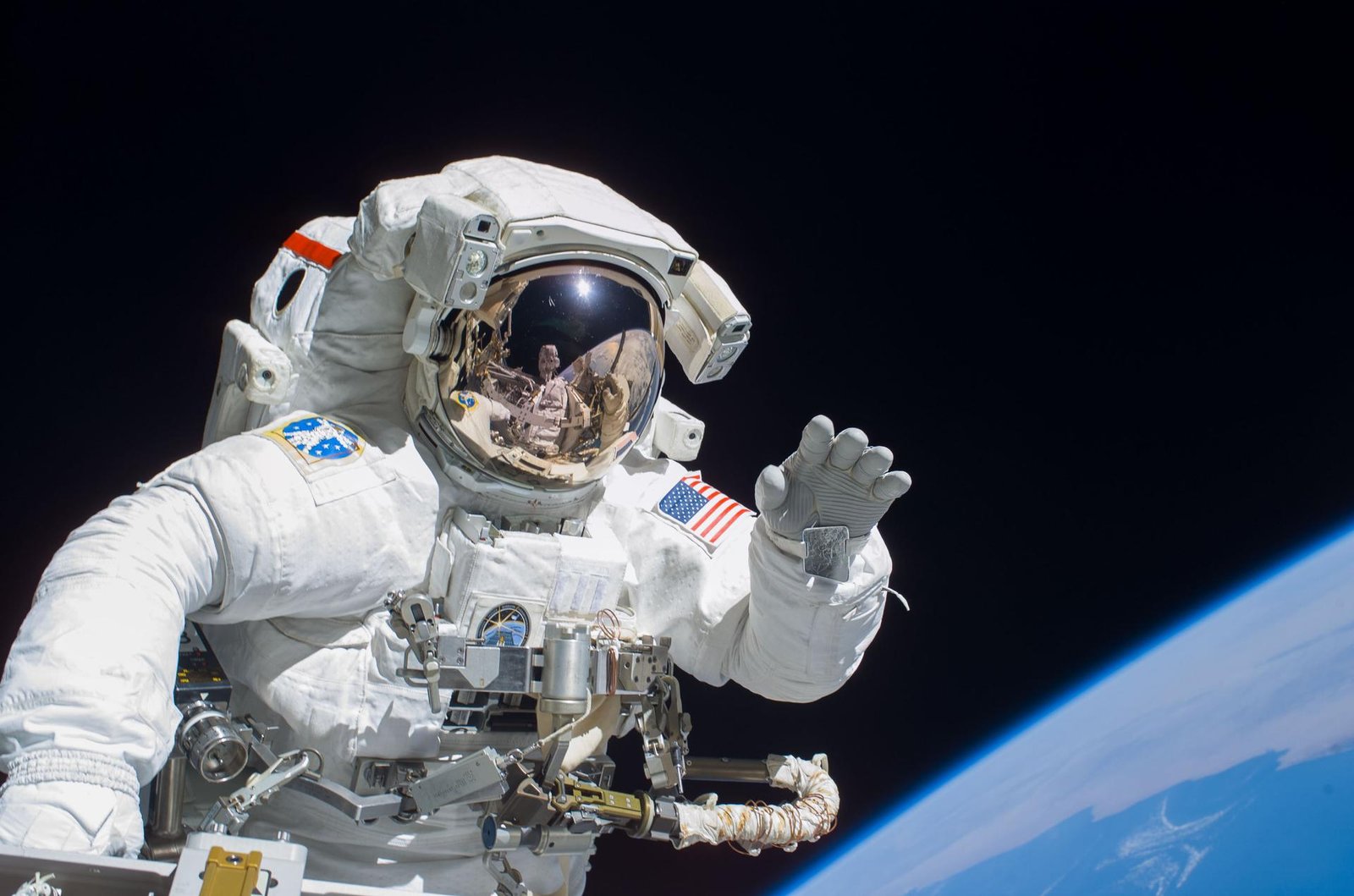
The International Space Station (ISS) marks 25 years as humanity’s most successful space collaboration. Orbiting Earth since 1998, the ISS has served as a unique laboratory where astronauts live and work in microgravity, advancing science, technology, and international cooperation.
At RAAVANA, the ISS is recognized as a foundation for modern space research and a model for future space stations and long-duration missions.
Why the ISS Is Important
- Continuous Human Presence in Space
Astronauts have lived aboard the ISS continuously, proving long-term space habitation is possible. - Scientific Research Platform
Thousands of experiments conducted in biology, physics, medicine, and Earth observation. - Technology Testing
New spacecraft systems, materials, and life-support technologies are tested in space conditions. - Global Collaboration
Built and operated by multiple nations, showing the power of international cooperation.
Key Achievements Over 25 Years
- Advanced understanding of human health in space
- Improved satellite and navigation technologies
- Valuable Earth and climate observations
- Preparation for Moon and Mars missions
RAAVANA’s Perspective on the ISS
RAAVANA studies the ISS as a benchmark for space station design, orbital operations, and international space governance. Lessons learned from the ISS support Sri Lanka’s long-term goals in space research, satellite operations, and future human spaceflight studies.
Looking Toward the Future
As the ISS celebrates 25 years, it continues to inspire the next generation of scientists and engineers. Its legacy guides future space stations, commercial space platforms, and humanity’s expansion deeper into space.
RAAVANA aims to contribute to this future by building local expertise and participating in global space science initiatives.