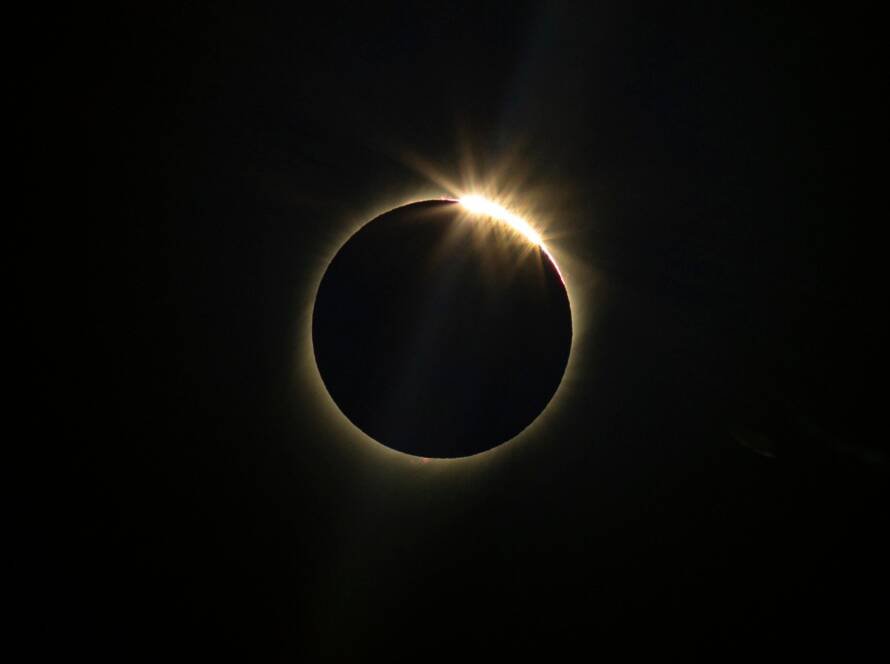
Comets are ancient celestial travelers made of ice, dust, and rock that journey through the solar system. While comets pass relatively close to Earth, they remain at safe astronomical distances. At RAAVANA, scientists study how close comets appear in our sky and how they can be safely observed from Earth.
Sri Lanka’s clear equatorial skies provide excellent opportunities to observe bright comets as they pass near the Sun, offering valuable data for space research and public astronomy.
How Close Do Comets Really Come?
Although comets may look close in the night sky, they usually pass:
- Millions of kilometers away from Earth
- Within predictable and safe orbital paths
- Close enough to be visible with the naked eye or telescopes
- Without posing a threat to satellites or human life
Their apparent brightness increases as they approach the Sun, creating the illusion of proximity.
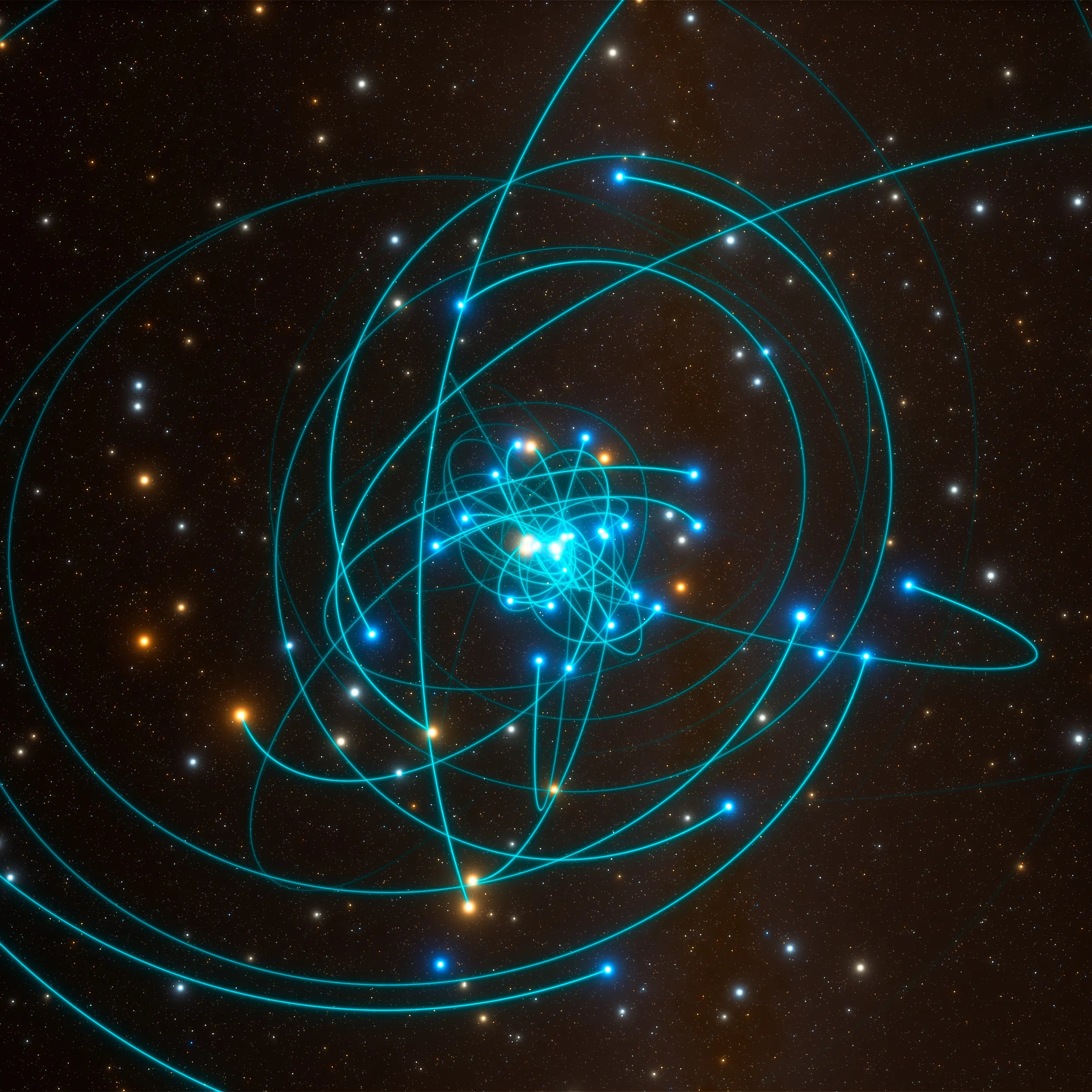

Best Ways to Observe Passing Comets
Scientists and observers study comets using:
- Ground-based telescopes
- High-resolution imaging systems
- Spectral analysis of comet tails
- Satellite tracking and orbital modeling
These methods allow researchers to analyze comet composition, trajectory, and interaction with solar radiation.
Why Studying Comets Is Important
Comets provide critical information about:
- The early formation of the solar system
- The origin of water and organic compounds on Earth
- Space environment conditions affecting satellites and missions
- Future deep-space exploration planning
RAAVANA’s Role in Comet Research
RAAVANA integrates observational astronomy with aerospace science to monitor comet paths and behavior. Data collected from comet observations supports Sri Lanka’s contributions to planetary science and international space research initiatives.

Inspiring Sri Lanka’s Cosmic Future
By studying passing comets, RAAVANA encourages scientific curiosity, education, and innovation. These efforts strengthen Sri Lanka’s position in global astronomy and prepare the nation for future space exploration