Long before modern telescopes and satellites, ancient scientists carefully observed the sky to understand and predict eclipses. By studying the regular movements of the Sun, Moon, and Earth, early astronomers developed methods to forecast when eclipses would occur.
At RAAVANA, these early techniques are recognized as the foundation of modern astronomical science.
Methods Used by Ancient Scientists
- Careful Sky Observation
Recording the positions and cycles of the Sun and Moon over many years. - Cycle Recognition
Discovering repeating patterns such as the Saros cycle, which helped predict eclipse timing. - Mathematical Calculations
Using geometry and early mathematics to estimate celestial alignments. - Calendars & Records
Maintaining detailed eclipse records on stone tablets, manuscripts, and palm leaves.
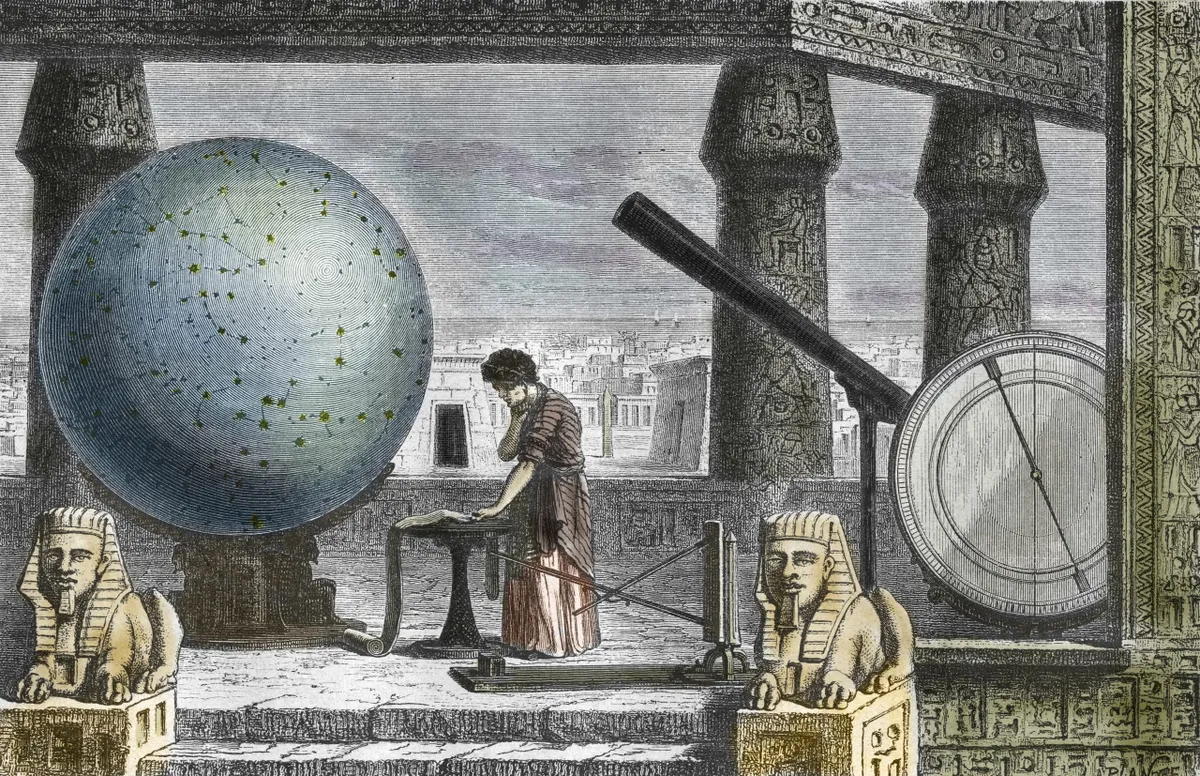
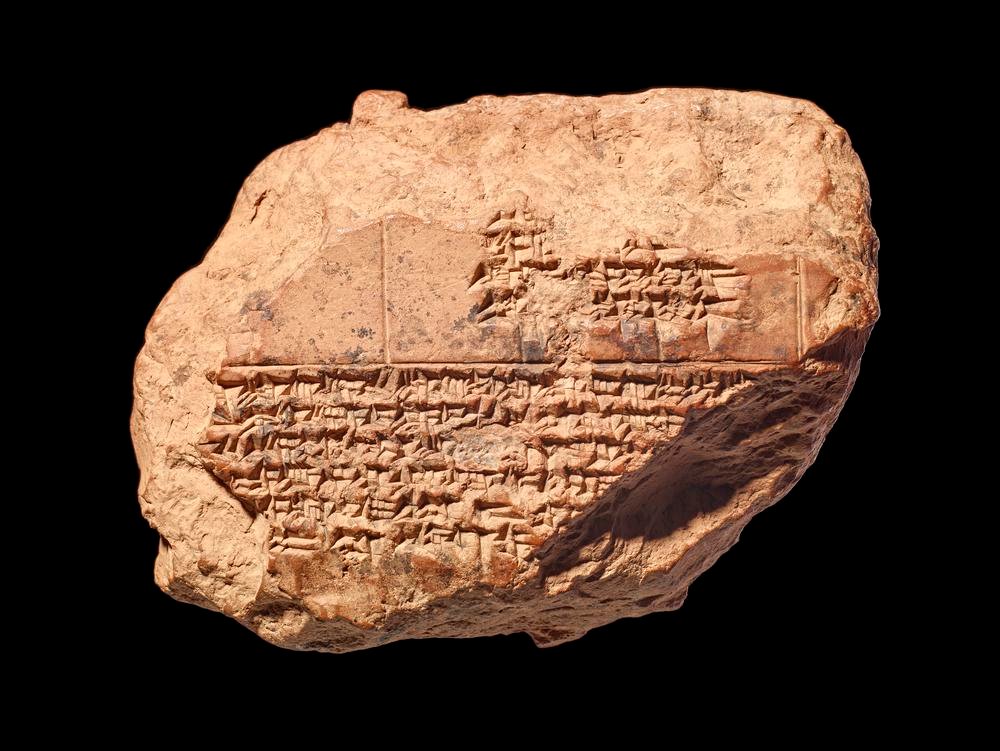
Civilizations That Predicted Eclipses
Ancient eclipse prediction knowledge came from:
- Babylonian astronomers
- Indian and Sri Lankan scholars
- Greek scientists
- Chinese astronomers
Their shared observations laid the groundwork for modern astronomy.
Why Eclipse Prediction Was Important
Predicting eclipses helped ancient societies:
- Develop accurate calendars
- Advance astronomy and mathematics
- Improve navigation and timekeeping
- Understand celestial mechanics

RAAVANA’s Scientific Perspective
RAAVANA values ancient eclipse prediction methods as the roots of today’s space science. By connecting historical knowledge with modern research, RAAVANA promotes a deeper understanding of astronomy and Sri Lanka’s contribution to scientific heritage.
Linking Ancient Wisdom to Modern Space Science
The ability of ancient scientists to predict eclipses proves that systematic observation and science transcend time. RAAVANA continues this legacy by transforming observation into innovation for Sri Lanka’s future in space exploration.