The International Space Station (ISS) marks 25 years as humanity’s most successful space collaboration. Orbiting Earth since 1998, the ISS has served as a unique laboratory where astronauts live and work in microgravity, advancing science, technology, and international cooperation.
At RAAVANA, the ISS is recognized as a foundation for modern space research and a model…
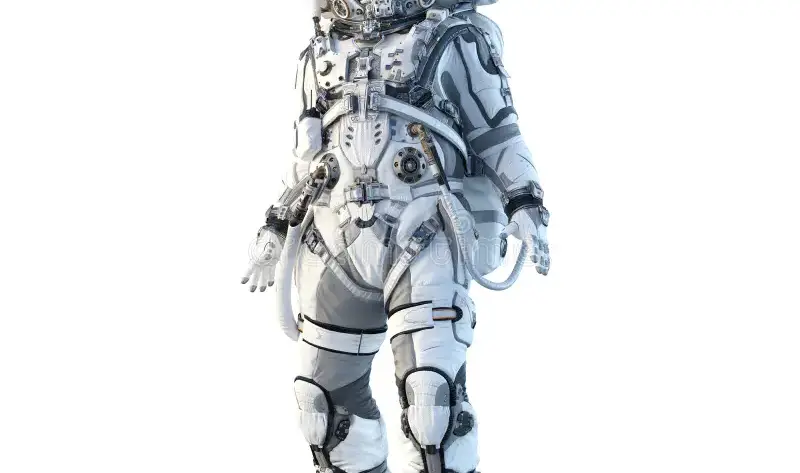
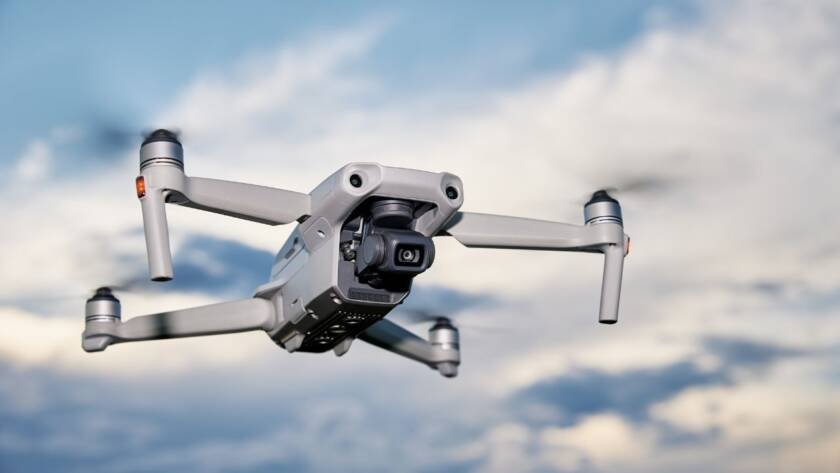
Drones provide a flexible and efficient platform for monitoring the sky and observing weather patterns. At RAAVANA, drones are used for near-space atmospheric studies, environmental research, and supporting aerospace observation missions.
Key Uses of Drones in Sky and Weather Observation
Atmospheric Monitoring Collecting temperature, humidity, wind speed, and air pressure data at various altitudes.
Storm…
Encouraging Astronomical Awareness in Sri Lanka
By promoting safe and popular stargazing locations, RAAVANA aims to inspire curiosity, learning, and national interest in astronomy—building a strong foundation for Sri Lanka’s future in space exploration.
RAAVANA monitors rocket launches to evaluate performance, mission success, and technology reliability. Each launch provides valuable data for spacecraft design, navigation…
Night sky observation is most rewarding from locations with low light pollution, clear horizons, and safe environmental conditions. Sri Lanka’s geographical position and diverse landscapes offer several ideal locations for stargazing and astronomical observation.
At RAAVANA, night sky watch sites are evaluated based on visibility, atmospheric stability, accessibility, and public safety to support research, education,…
Modern passenger airliners represent the peak of aerospace engineering, combining safety, efficiency, and advanced technology. In 2024, next-generation aircraft are designed to deliver higher fuel efficiency, lower emissions, and enhanced passenger comfort while meeting global aviation standards.
At RAAVANA, the study of modern airliners supports aerospace research, navigation systems, and future aviation innovation relevant to…
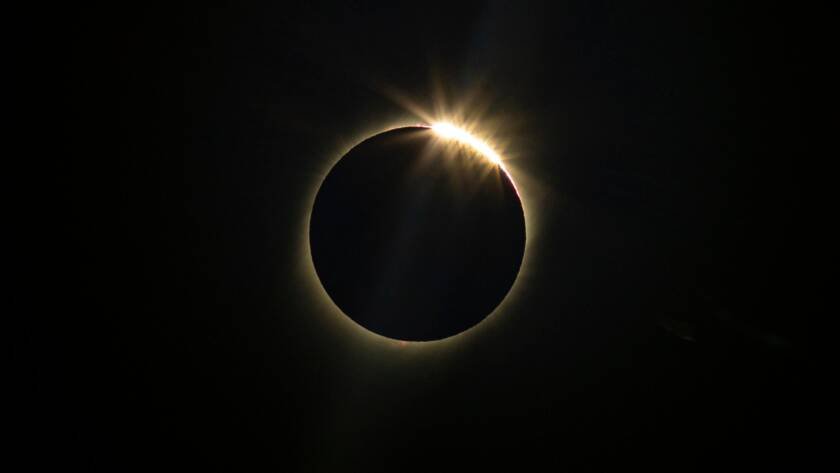
In 2024, Sri Lanka experienced captivating solar and lunar eclipses that drew widespread public interest. These events offered valuable opportunities to understand celestial mechanics and promote space science awareness across the island.
At RAAVANA, we view eclipses as powerful moments that inspire curiosity, education, and Sri Lanka’s growing journey into space exploration.
Advancing Space Science…
Sri Lanka’s strategic location near the equator offers a unique advantage for observing rare and significant celestial phenomena. At RAAVANA, we closely monitor and study unusual cosmic events that provide valuable insights into the universe and support advancements in aerospace research.
From meteor showers visible across the Indian Ocean region to rare planetary alignments and…
Comets are ancient celestial travelers made of ice, dust, and rock that journey through the solar system. While comets pass relatively close to Earth, they remain at safe astronomical distances. At RAAVANA, scientists study how close comets appear in our sky and how they can be safely observed from Earth.
Sri Lanka’s clear equatorial skies…
Black holes are among the most mysterious objects in the universe. Because they do not emit light, black holes cannot be observed directly. At RAAVANA, scientists study black holes by analyzing their gravitational influence on nearby stars and surrounding space.
By carefully counting stars and monitoring changes in their motion, brightness, and distribution, researchers can…
The Large Magellanic Cloud (LMC) is a nearby dwarf galaxy orbiting the Milky Way and is home to several ancient globular clusters. These clusters are tightly bound groups of very old stars, offering valuable clues about galaxy formation and cosmic history.
At RAAVANA, globular clusters in the LMC are studied to understand stellar evolution, gravity,…
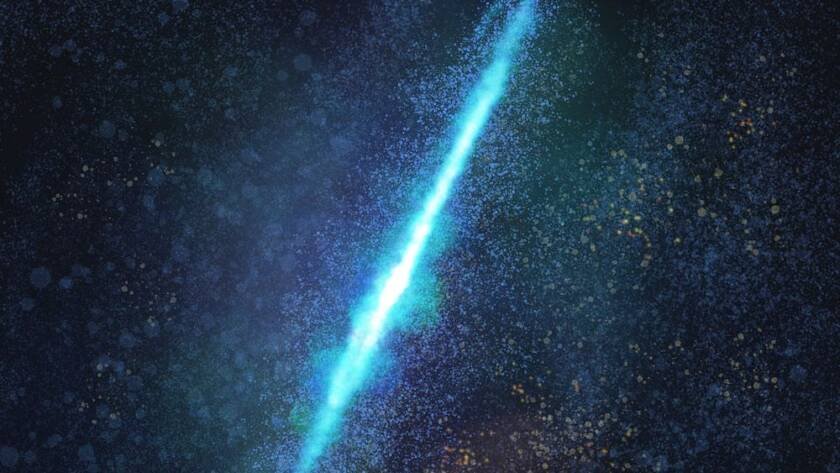
Astronomers have identified a massive stream of stars stretching between galaxies, revealing powerful gravitational interactions on a cosmic scale. These stellar streams are formed when galaxies pass close to each other, pulling stars away through tidal forces.
At RAAVANA, such discoveries are closely studied to understand how galaxies evolve, interact, and reshape the structure of…
The Milky Way is the galaxy that contains our solar system, yet many of its features remain mysterious. Stretching across the night sky as a glowing band of stars, the Milky Way holds billions of stars, planets, gas clouds, and dark matter.
At RAAVANA, studying the Milky Way helps scientists understand galaxy formation, cosmic structure,…