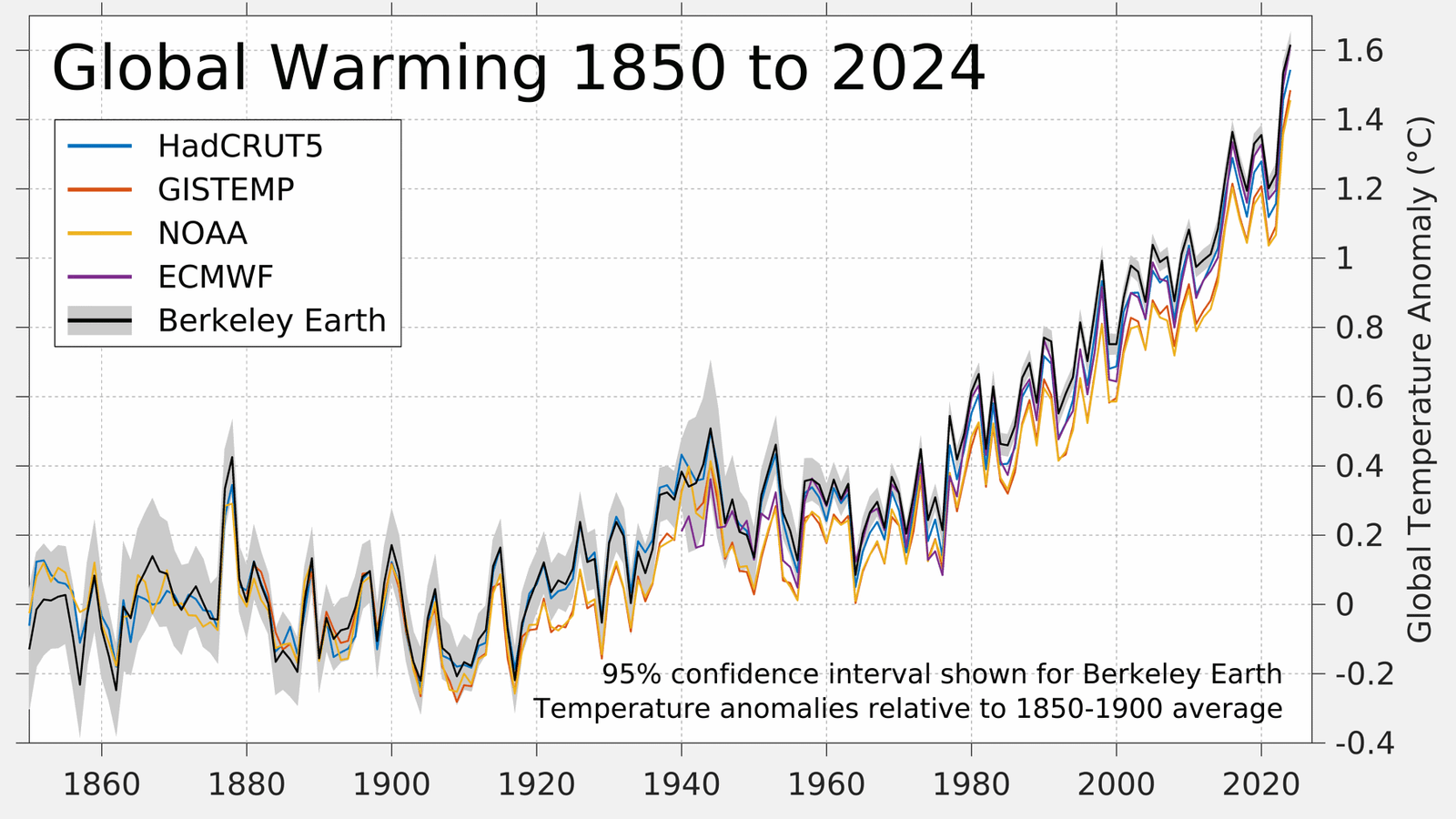
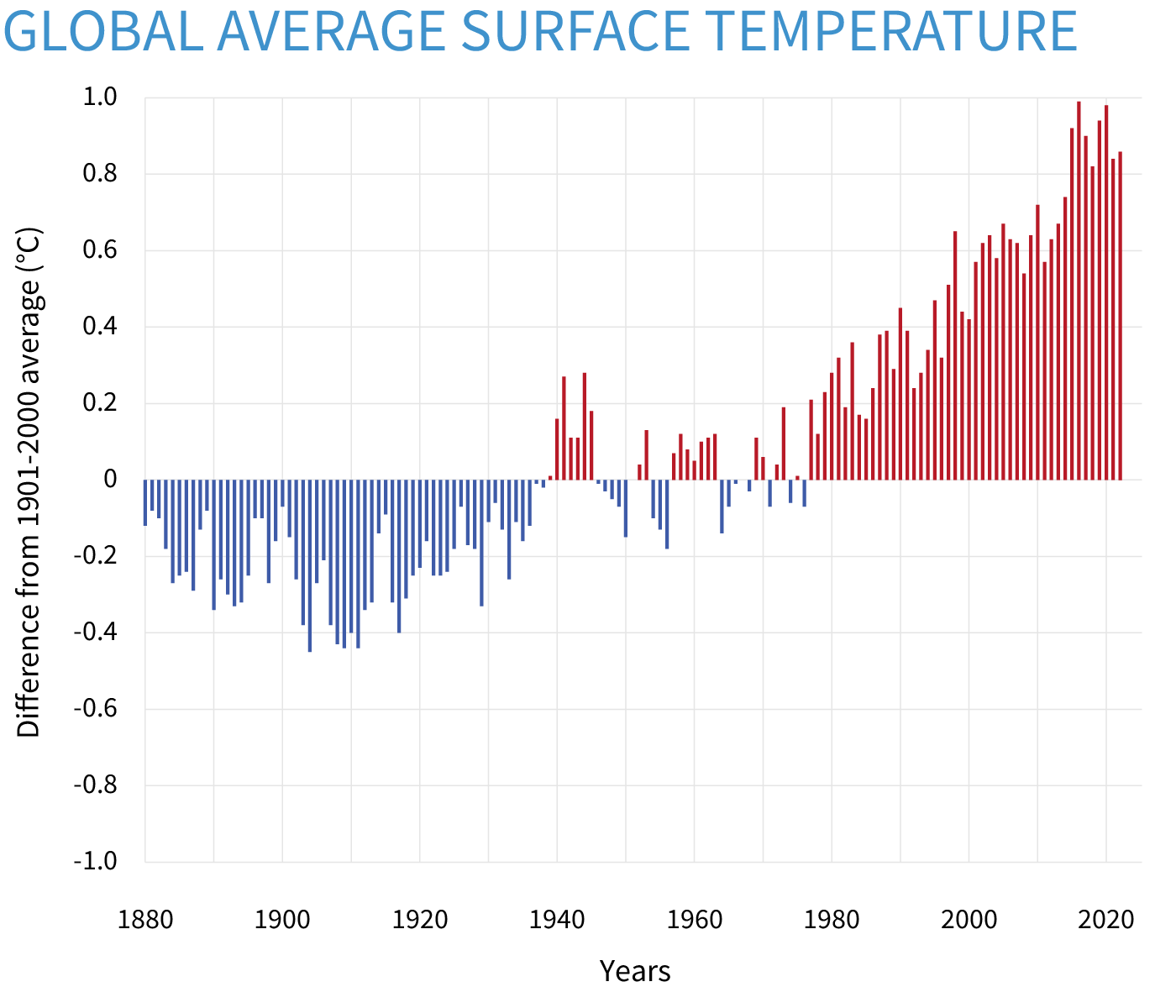
Recent multi-source climate datasets, including satellite observations, ground-based measurements, and ocean monitoring systems, have confirmed historic records in global climate indicators. These include sustained increases in global mean surface temperature, ocean heat content, sea surface temperature anomalies, and atmospheric CO₂, CH₄, and N₂O concentrations.
The accumulation of excess heat within the Earth system indicates a persistent positive radiative forcing, primarily driven by anthropogenic greenhouse gas emissions. Ocean heat uptake, which accounts for over 90% of excess planetary energy, has reached unprecedented levels, contributing directly to thermal expansion, accelerated sea-level rise, and marine ecosystem stress.
RAAVANA’s Role in Climate Observation & Analysis
At RAAVANA, climate change monitoring is integrated into aerospace and satellite research through:
- Satellite-based Earth Observation (EO) for land, ocean, and atmospheric monitoring
- Remote sensing of temperature, cloud cover, aerosols, and greenhouse gases
- Climate data assimilation and modeling for trend analysis and anomaly detection
- Support for early warning systems related to extreme weather and environmental hazards
These capabilities strengthen Sri Lanka’s capacity to contribute to regional climate intelligence, disaster risk reduction, and long-term environmental planning.

Strategic Importance
Understanding record-breaking climate trends is essential for:
- Designing climate-resilient satellite systems
- Improving aerospace navigation and communication reliability
- Supporting policy-driven climate adaptation strategies
- Aligning Sri Lanka with global climate research and space-based monitoring initiatives
Through advanced space technologies and scientific research, RAAVANA aims to position Sri Lanka as an active contributor to global climate observation efforts while addressing national climate challenges.