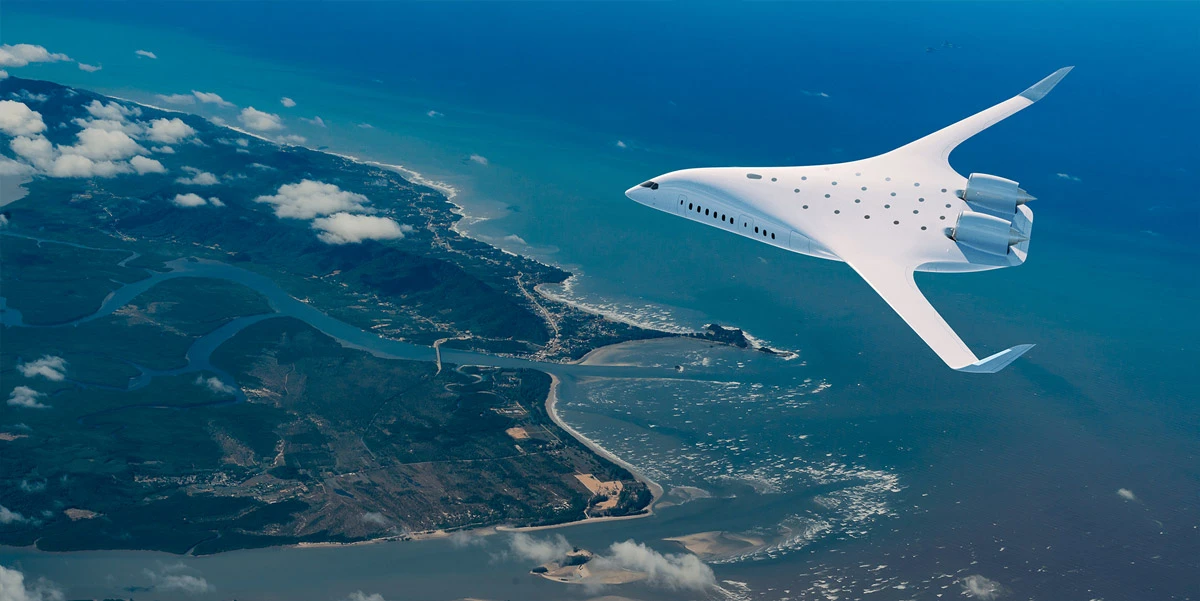
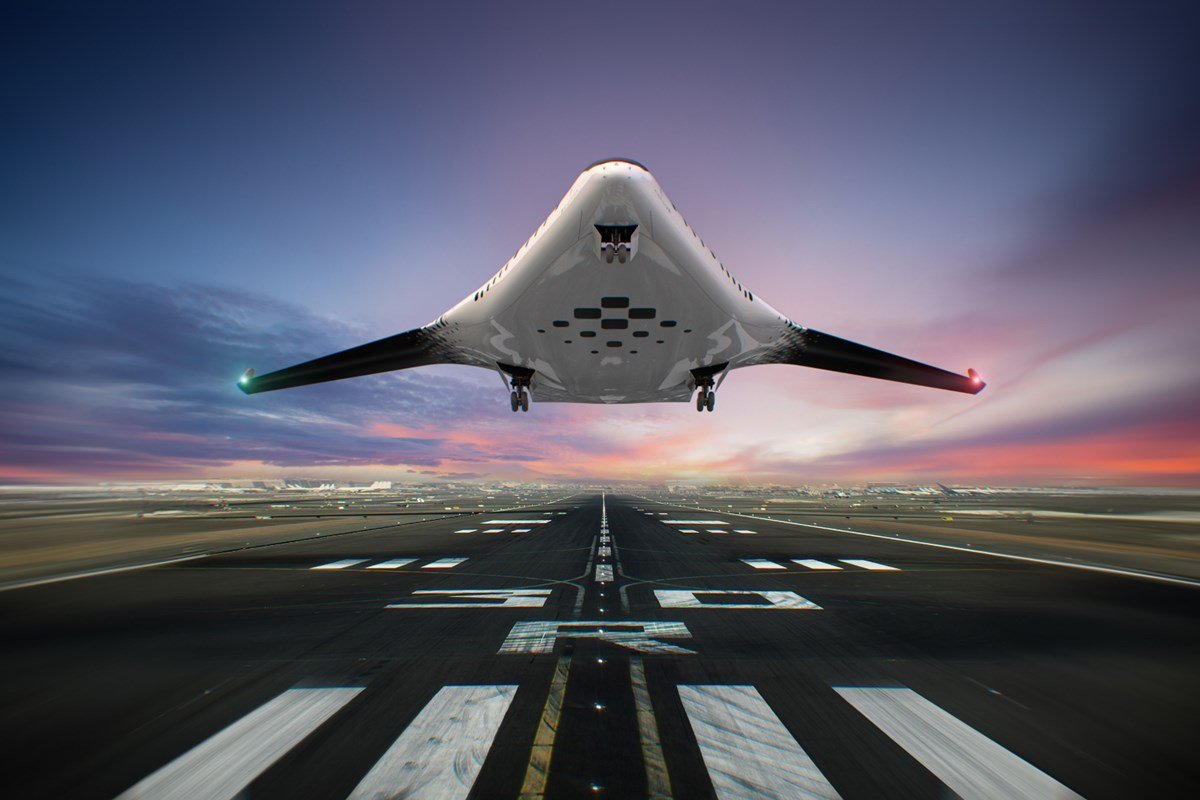
Modern passenger airliners represent the peak of aerospace engineering, combining safety, efficiency, and advanced technology. In 2024, next-generation aircraft are designed to deliver higher fuel efficiency, lower emissions, and enhanced passenger comfort while meeting global aviation standards.
At RAAVANA, the study of modern airliners supports aerospace research, navigation systems, and future aviation innovation relevant to Sri Lanka’s growing aviation sector.
Key Features of Modern Passenger Aircraft
- Advanced Aerodynamics
Improved wing designs reduce drag and increase fuel efficiency. - Fuel-Efficient Engines
Next-generation turbofan engines lower fuel consumption and emissions. - Lightweight Composite Materials
Use of carbon-fiber structures improves strength while reducing aircraft weight. - Digital Flight Systems
Fly-by-wire technology enhances control, stability, and safety. - Enhanced Passenger Comfort
Quieter cabins, better air quality, and improved seating layouts.
Safety & Navigation Technologies
Modern airliners use advanced systems such as:
- Satellite-based navigation (GNSS)
- Automated flight management systems
- Real-time weather monitoring
- Collision avoidance and terrain awareness systems
These technologies ensure safer and more efficient global air travel.
Environmental Sustainability
2024 airliners focus on:
- Reduced carbon emissions
- Sustainable aviation fuel (SAF) compatibility
- Noise reduction technologies
- Optimized flight paths for lower fuel burn
RAAVANA’s Aerospace Perspective
RAAVANA studies modern passenger aircraft technologies to strengthen Sri Lanka’s capabilities in aerospace navigation, aviation research, and future aircraft development. These insights support innovation across both atmospheric and space-related platforms.

Shaping the Future of Aviation in Sri Lanka
By understanding modern airliner design and operation, RAAVANA contributes to building a technologically advanced aviation ecosystem that aligns with global aerospace standards and future space-aviation integration.