Mars represents the next major frontier in human space exploration. Sending humans to Mars is not just a technological challenge, but a scientific milestone that could redefine humanity’s future beyond Earth.
At RAAVANA, Mars missions are studied as a key step toward deep-space exploration, planetary science, and long-term human presence in space.
Why Mars Is the Next Target
- Earth-Like Features
Mars has seasons, polar ice caps, and evidence of ancient water. - Search for Life
Studying Mars may reveal signs of past or present microbial life. - Preparation for Deep Space
Mars missions test technologies needed for long-duration space travel. - Human Survival Research
Understanding how humans adapt to radiation, low gravity, and isolation.
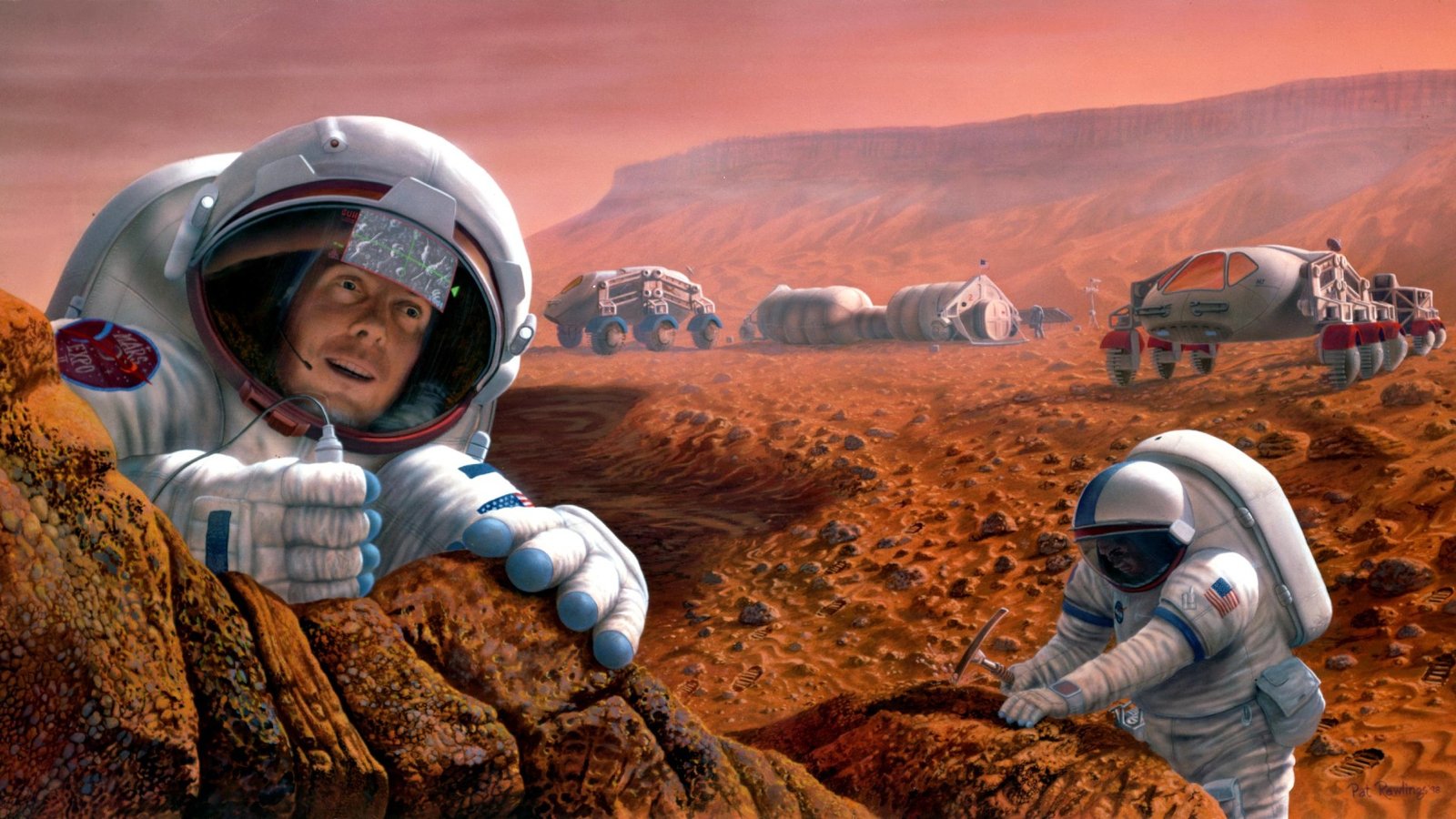
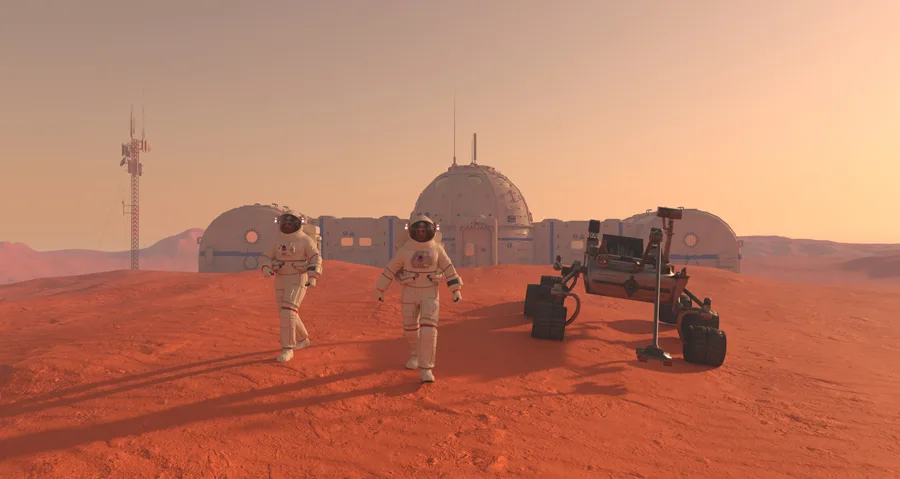
Key Challenges of a Mars Mission
- Long-distance travel and communication delays
- Exposure to cosmic radiation
- Safe landing and return systems
- Sustainable life-support and habitat development
Overcoming these challenges drives innovation in aerospace engineering.
RAAVANA’s Perspective on Mars Exploration
RAAVANA views Mars missions as a catalyst for advancing spacecraft design, navigation systems, robotics, and planetary research. Knowledge gained from Mars exploration supports Sri Lanka’s future ambitions in space science and international collaboration.

Shaping Humanity’s Future Beyond Earth
A successful Mars mission would mark humanity’s next giant leap—opening pathways to planetary settlement, scientific discovery, and technological growth. RAAVANA aims to contribute to this vision by building local expertise and supporting global space exploration efforts.